_edited.png)

Electromagnets
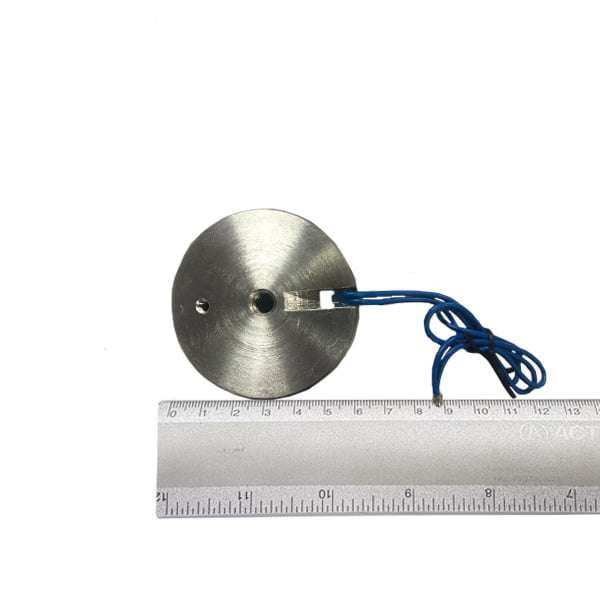
An electromagnet is a type of magnet in which the magnetic field is produced by an electric current. This unique property allows for the creation of a magnetic field that can be turned on or off with the flow of current. Understanding how electromagnetism works is crucial for harnessing its potential in various applications. An electromagnet typically consists of a coil of wire wound around a ferromagnetic core, such as a piece of iron, which magnetizes in response to the current flowing through the wire, creating a strong magnetic field.




Electromagnets Information
Applications for Electromagnetism
Selecting the right electromagnet for your specific needs requires careful consideration of various factors, including the application, required strength, and environmental conditions.
By evaluating the specific requirements of your project, you can identify the most suitable electromagnet from our extensive range. Whether you need a high-strength electromagnet for industrial applications or a compact version for consumer electronics, understanding your needs will guide you in making the best choice.

Evaluation of magnetic materials for specific applications
The choice of magnetic materials is critical when designing electromagnets for specific applications. Ferromagnetic materials, such as iron, exhibit strong magnetic properties and are commonly used in electromagnet cores. However, the application may require different materials based on strength, weight, or cost considerations. By evaluating the properties of various magnetic materials, you can select the one that best meets your criteria, ensuring optimal performance in your application.
Electromagnets Frequently Asked Questions
We’re always here if you need us. If your question isn’t covered below, please reach out — we’ll gladly help you find the right answer.
Q:
How Induction Works in Electromagnetic Applications
A:
Induction is a pivotal concept in electromagnetism, enabling the conversion of magnetic energy into electrical energy and vice versa. This phenomenon is utilised in various applications, including inductive charging systems, where electromagnetic fields transfer energy wirelessly. Understanding the principles of induction can empower you to harness this technology in innovative ways, improving efficiency and functionality in your designs.
Q:
What Factors Affect the Strength of an Electromagnet?
A:
The strength of an electromagnet is influenced by several key factors, including the amount of electric current flowing through the coil, the configuration of the coil itself, and the permeability of the core material. By manipulating these elements, you can significantly enhance or reduce the strength of an electromagnet, allowing for precise control over its magnetic capabilities. Understanding these factors is essential for anyone looking to optimize their magnetic applications.
Q:
What are the Key considerations for Coil Design and Configuration?
A:
When designing an electromagnet, the configuration of the coil is a crucial factor that influences its performance. The number of turns, wire gauge, and insulation are all important considerations. A well-designed coil can significantly enhance the electromagnet’s efficiency, producing a stronger magnetic field with less energy consumption. Understanding the principles of coil design will empower you to create electromagnets tailored to your specific needs.
Q:
How do Coil Configurations influence Magnetic Stregnth
A:
The configuration of the coil plays a pivotal role in determining the strength of an electromagnet. The arrangement of wire turns, the density of those turns, and the wire’s gauge all contribute to the electromagnet’s efficiency and magnetic output. For instance, tightly wound coils with more turns can produce a stronger magnetic field compared to loosely wound coils. Additionally, using insulated wire can prevent current loss, further enhancing the electromagnet’s performance. Understanding these configurations allows for the design of highly efficient electromagnets suitable for diverse applications.
Q:
How does a Solenoid create a Magnetic field?
A:
A solenoid is a specific type of electromagnet consisting of a coil of wire that produces a magnetic field when an electric current passes through it. As the current flows, it magnetises the iron core within the solenoid, generating a magnetic field that can be directed and controlled. The strength of the magnetic field produced by the solenoid depends on several factors, including the number of turns in the coil, the magnitude of the current, and the properties of the core material. Understanding these factors can help you optimise the performance of your electromagnet for various applications.